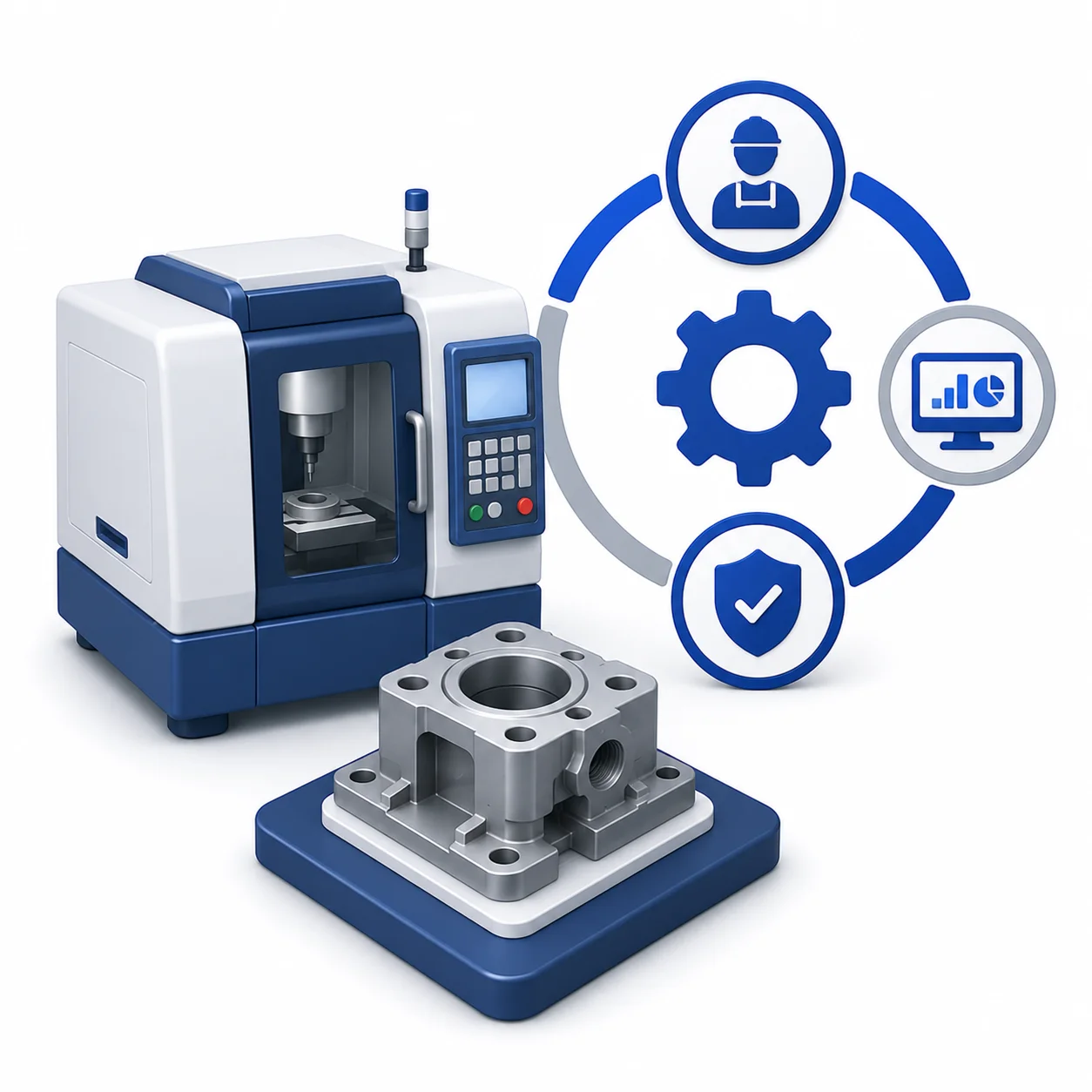
In the manufacturing industry, the Operator Department—more commonly referred to as the Production Department or the Shop Floor—is the core execution engine of the entire facility. Its primary objective is to safely and efficiently transform raw materials and components into finished goods according to the production schedule.
While management handles the planning, the Operator Department is where value is physically added to the product.
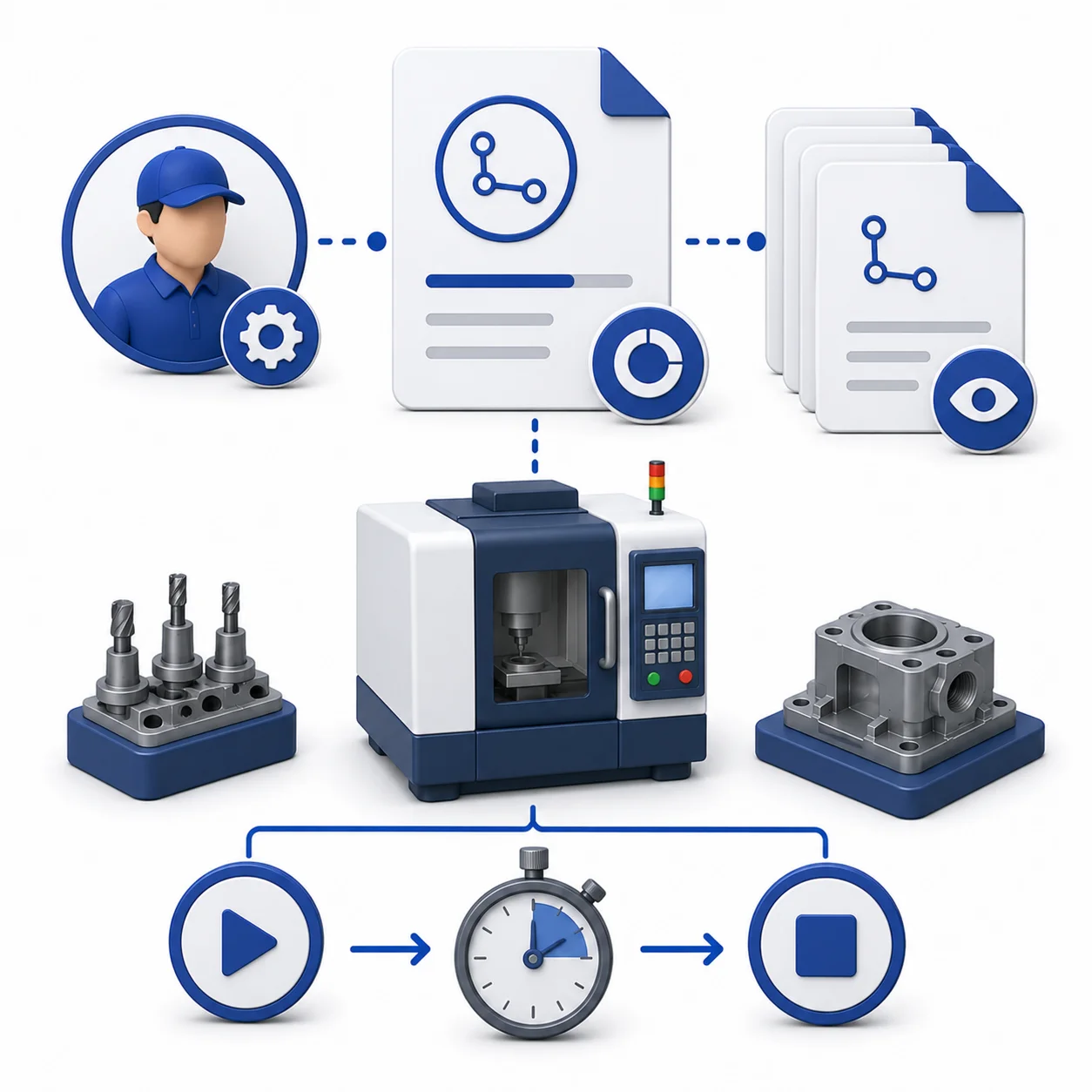
On Setter login to system, they can see the total number of Route Card are in progress. On click each detail of each route card, they can see all operations as OP-10, OP-20. When setter wants to do setup, they can just click on Start Setup and on complete, they can end it by clicking on End Setup, ERP system will record the actual start and end time of setup.
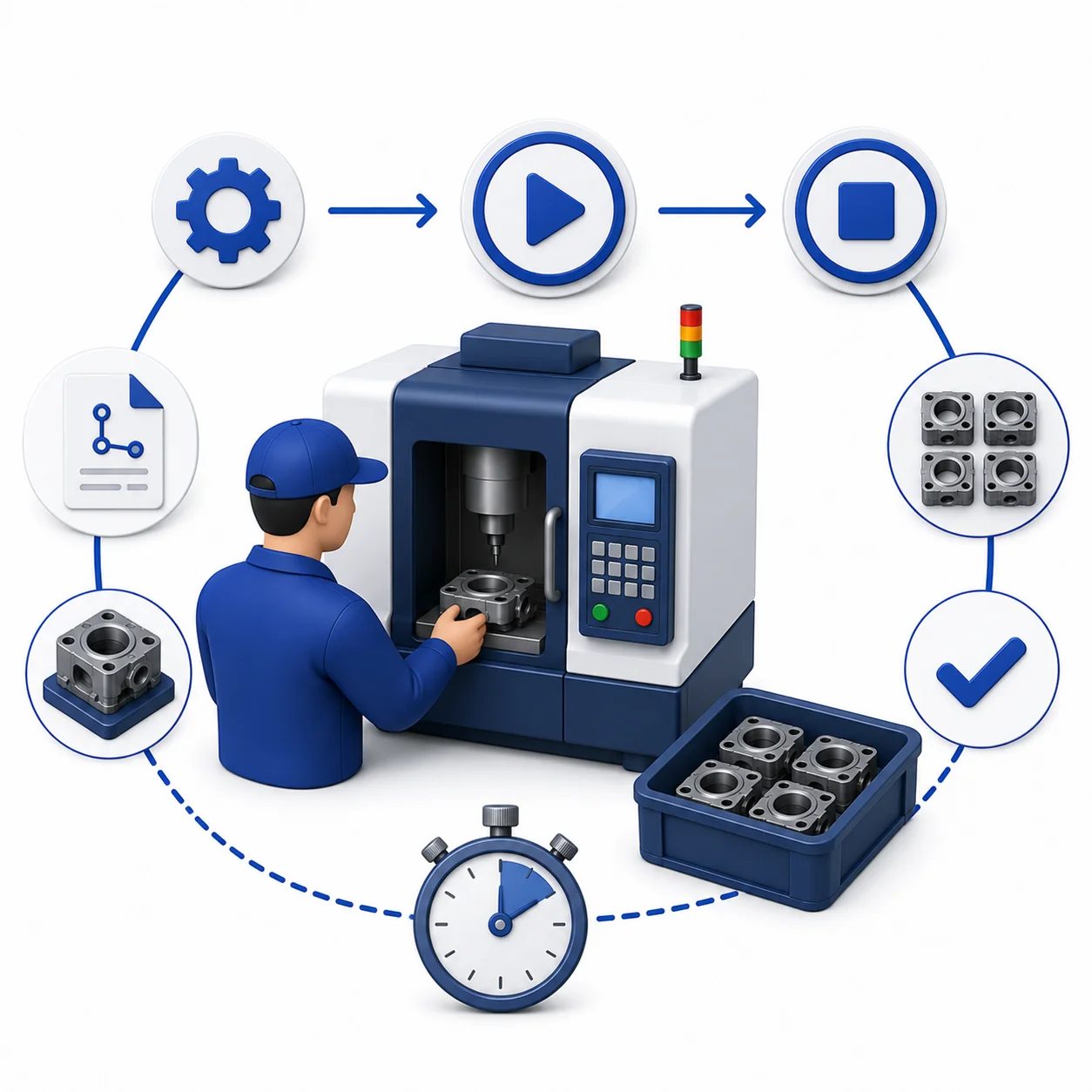
On completing setup, operator can click on start operation and load the part to the machine one by one on completing all parts, operator has to click on end operation. ERP system will capture total actual time taken by the machine.
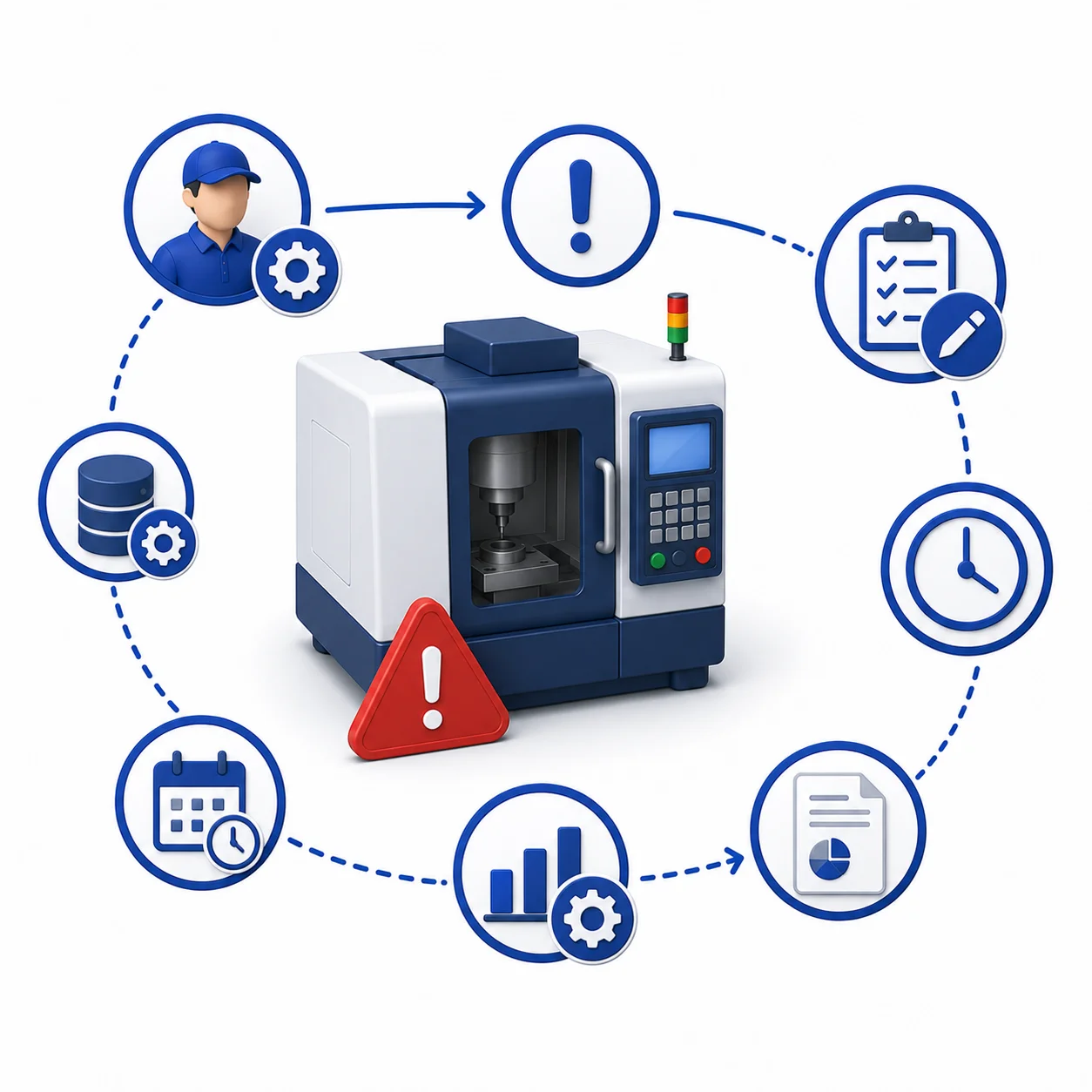
During operation, if machine breaks, then the respective down time and the reason must be entered by operator. On entering downtime, ERP system will postpone the schedule for that machine. Management can see all the downtime list in one place and this downtime will be considered for OEE of machine and overall OEE of all machine in the performance report.
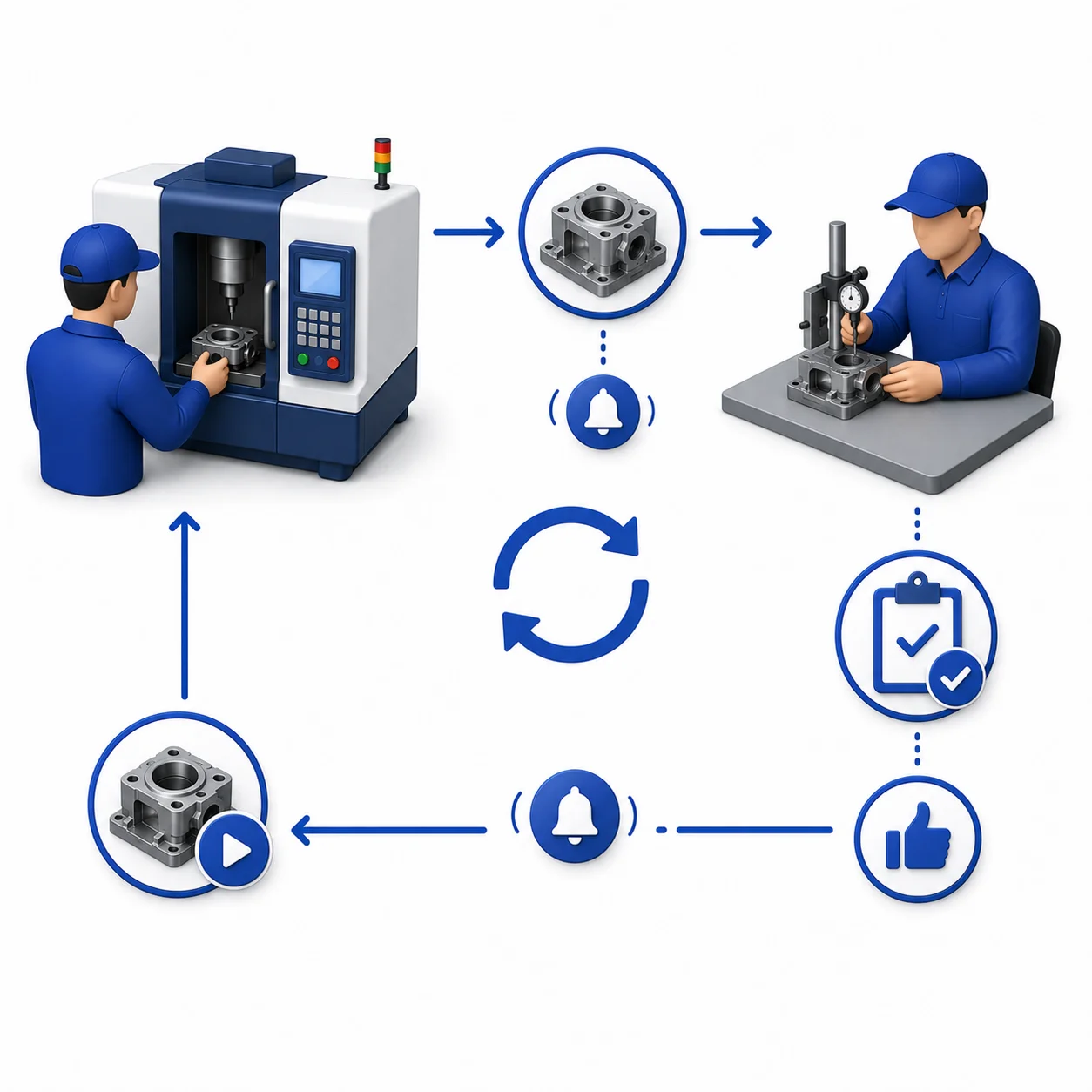
On completing first part, operator can send it to quality department for inline inspection/setup approval inspection/stage inspection by entering in the ERP system for a particular operation, and the same will be notified to quality department, once quality department submit the result, same will be notified back to operator to continue production.
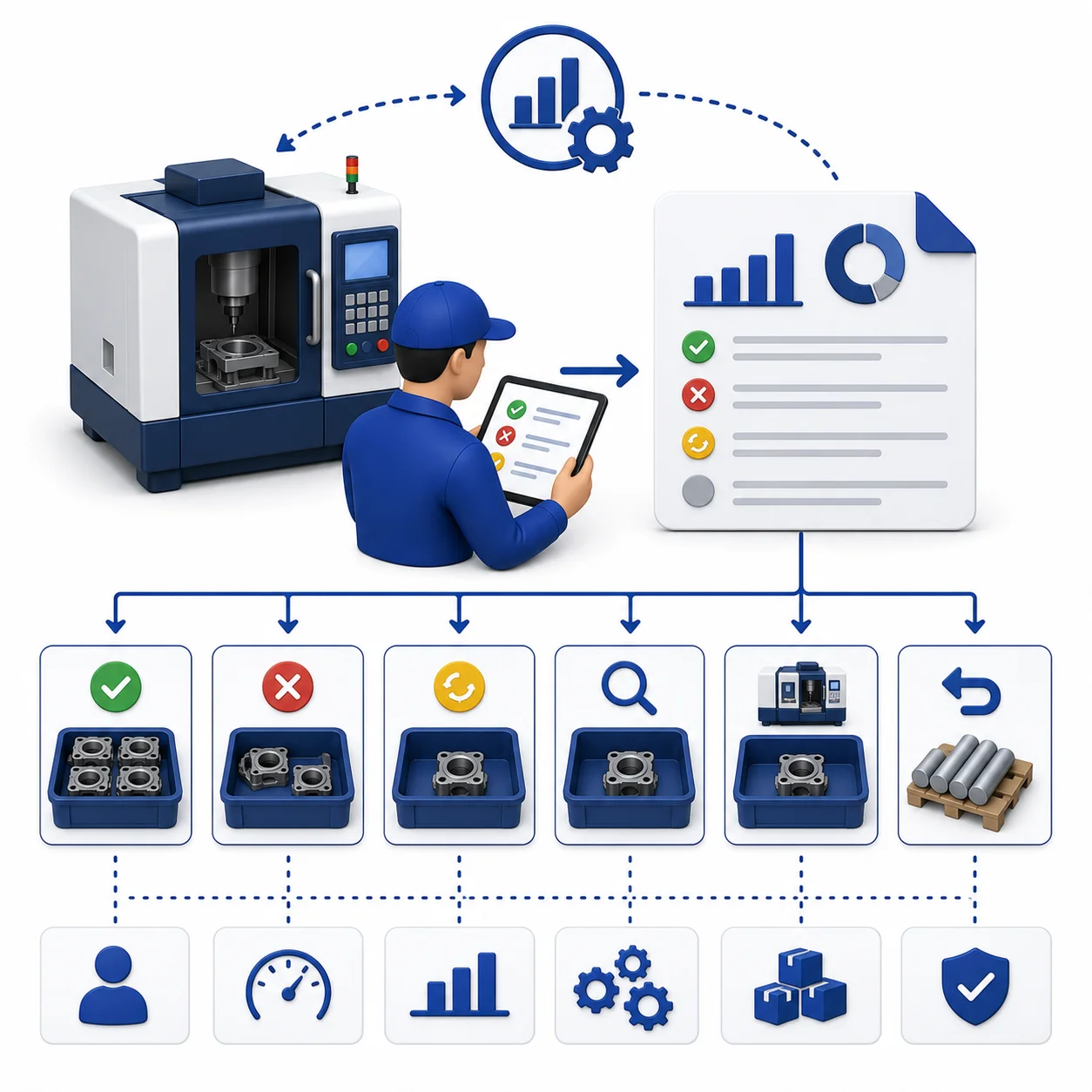
Every operator, before they leave the shop floor on shift end, they must enter the result or WIP details. They have to enter, what is the produced quantity, in that how many are accepted, rejected, rework, and how many quantity they are leaving under machine, under inspection, and also how many raw material returning back store, and other information which are required for traceability. Using these information, we can see operator efficiency, machine performance, production progress, WIP stock maintenance and others.

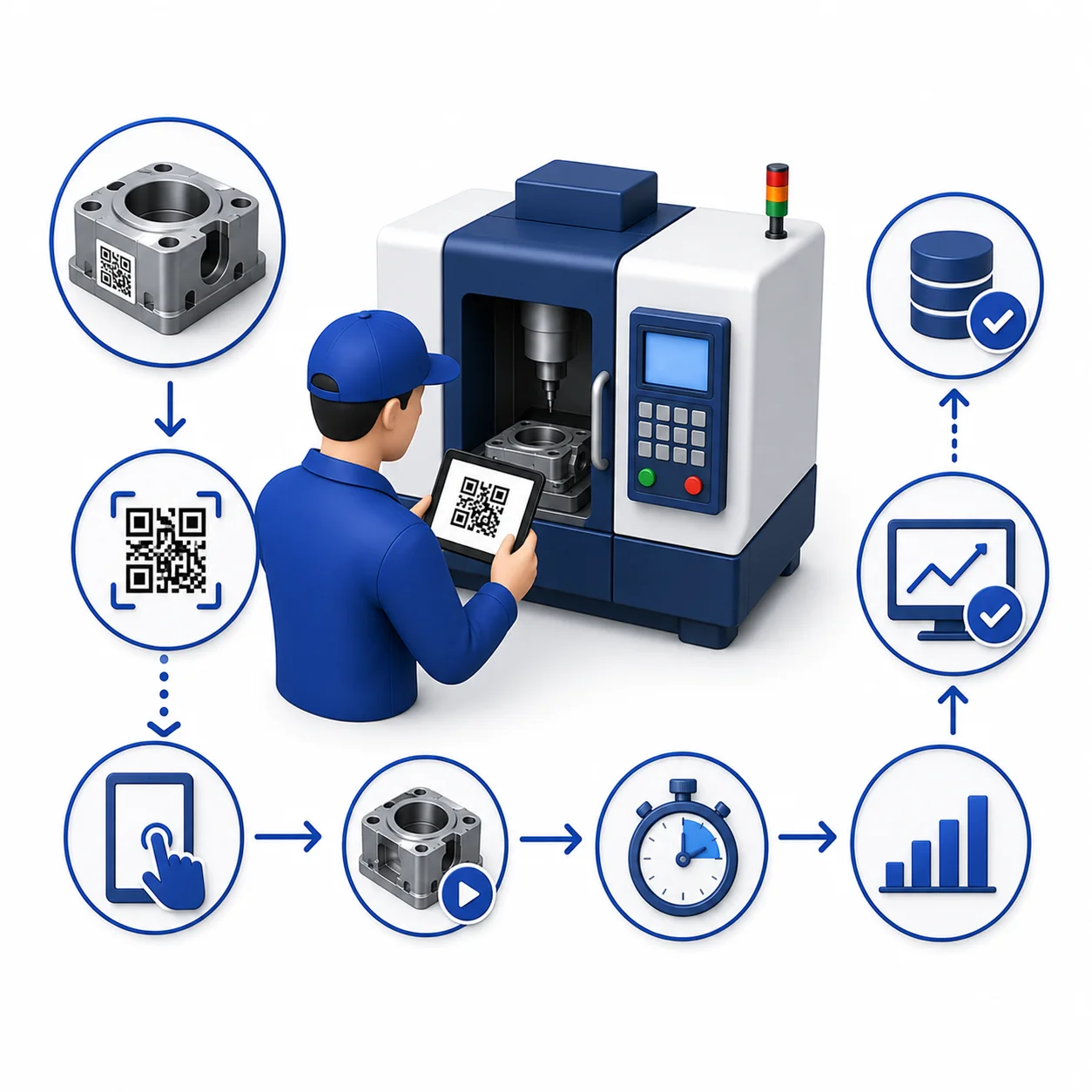
If QR printed for each raw material pieces, then operator can scan the QR code from their tablet for production tracking. On loading each part to the machine, first they have to scan the QR code, which also helps us to track cycle time of each part taken.