Microsiri

NPD Dashboard

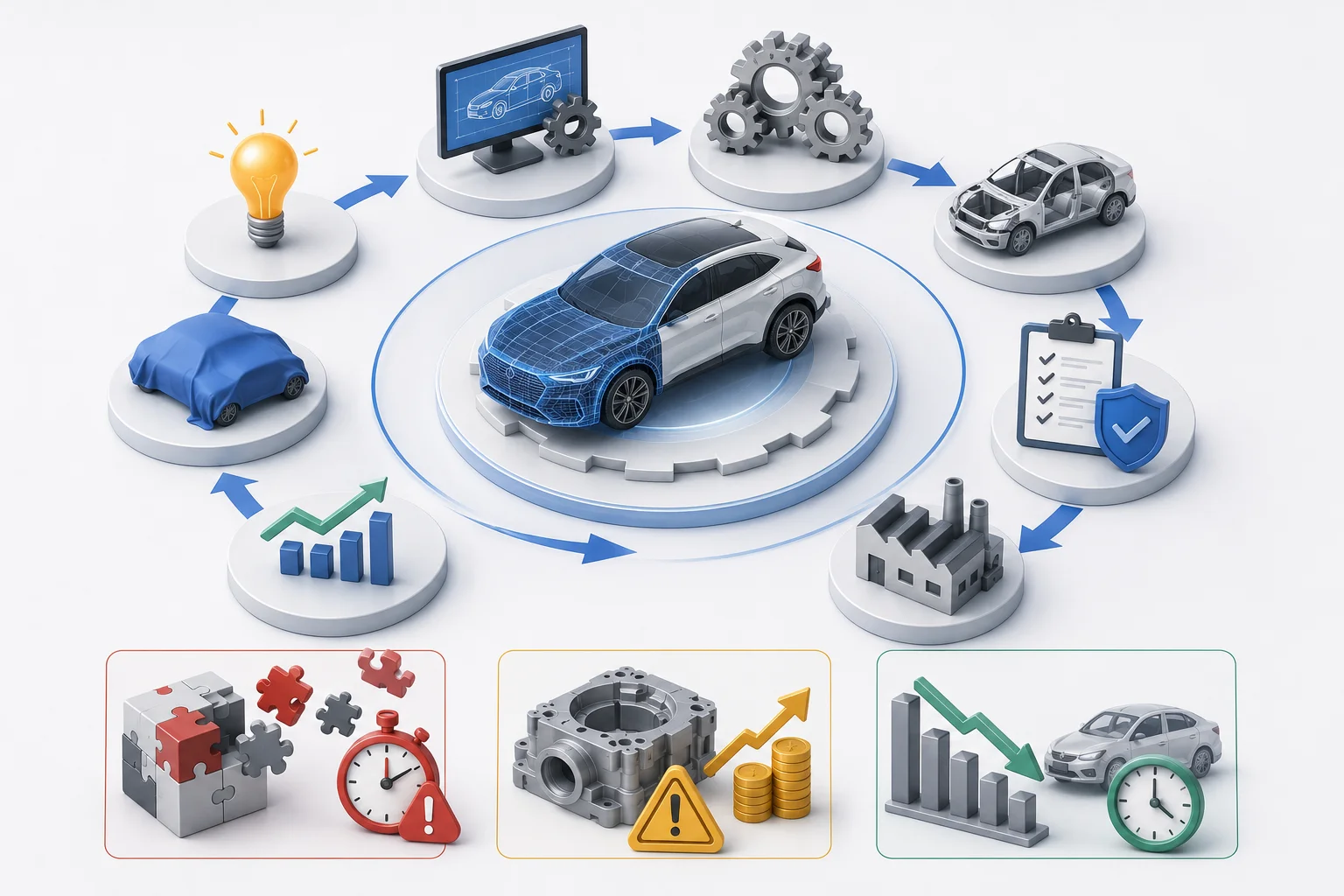
In the manufacturing industry, New Product Development (NPD) is the end-to-end process of bringing a new vehicle, appliance, or component from a vague concept to a mass-produced reality. It is a high-stakes journey that balances creative design with the cold realities of engineering and cost. Below are the reason for failure of NPD

Scope Creep: Adding too many features, leading to delays.

Ignoring DFM: Designing a product that is too expensive or difficult to build.

Poor Timing: Launching after a competitor has already captured the market.

OUR NPD Dashboard FEATURES

Ideation & Conceptualization

This is the “blue sky” phase where market research, customer pain points, and competitive gaps are analysed. A Product Concept Document (PCD) outlining the “Why” and “What.”

Feasibility & Design (The Engineering Core)

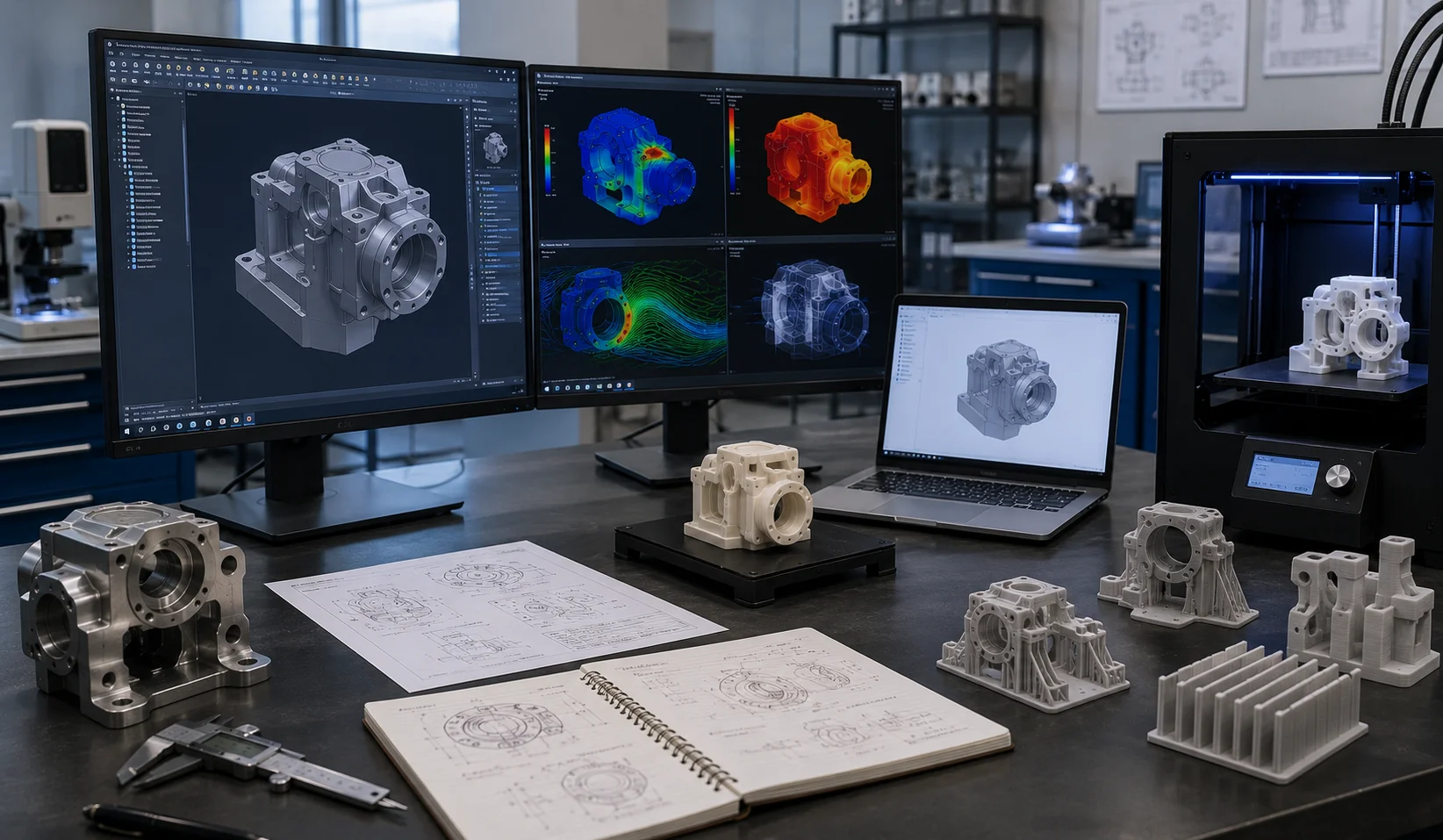
Engineers begin translating the concept into technical specs. Design for Manufacturing ensuring the part can actually be made efficiently. A beautiful design is useless if it’s impossible to meld or assemble. Using Computer-Aided Design and Engineering to simulate stress, heat, and fluid dynamics. Prototyping Creates “Alpha” versions, often via 3D printing (Additive Manufacturing), to test form and fit.

Process Development

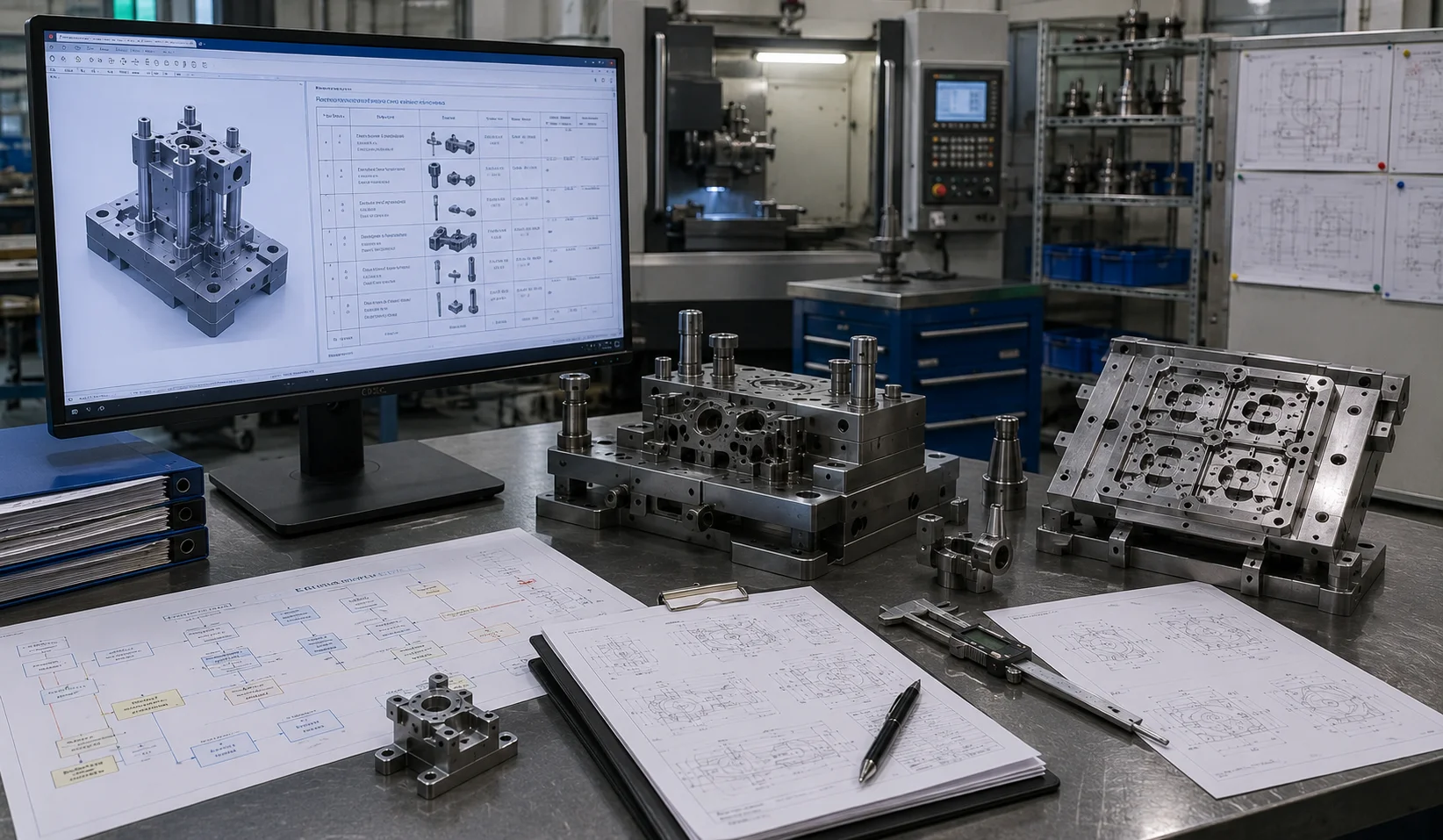
While the product is being designed, the manufacturing process must also be designed. Routing & Process Sheets Decides which machines will be used. Tooling & Fixtures Designing the custom Molds, jigs, and dies required for mass production.

Validation & Testing (The "Beta" Phase)

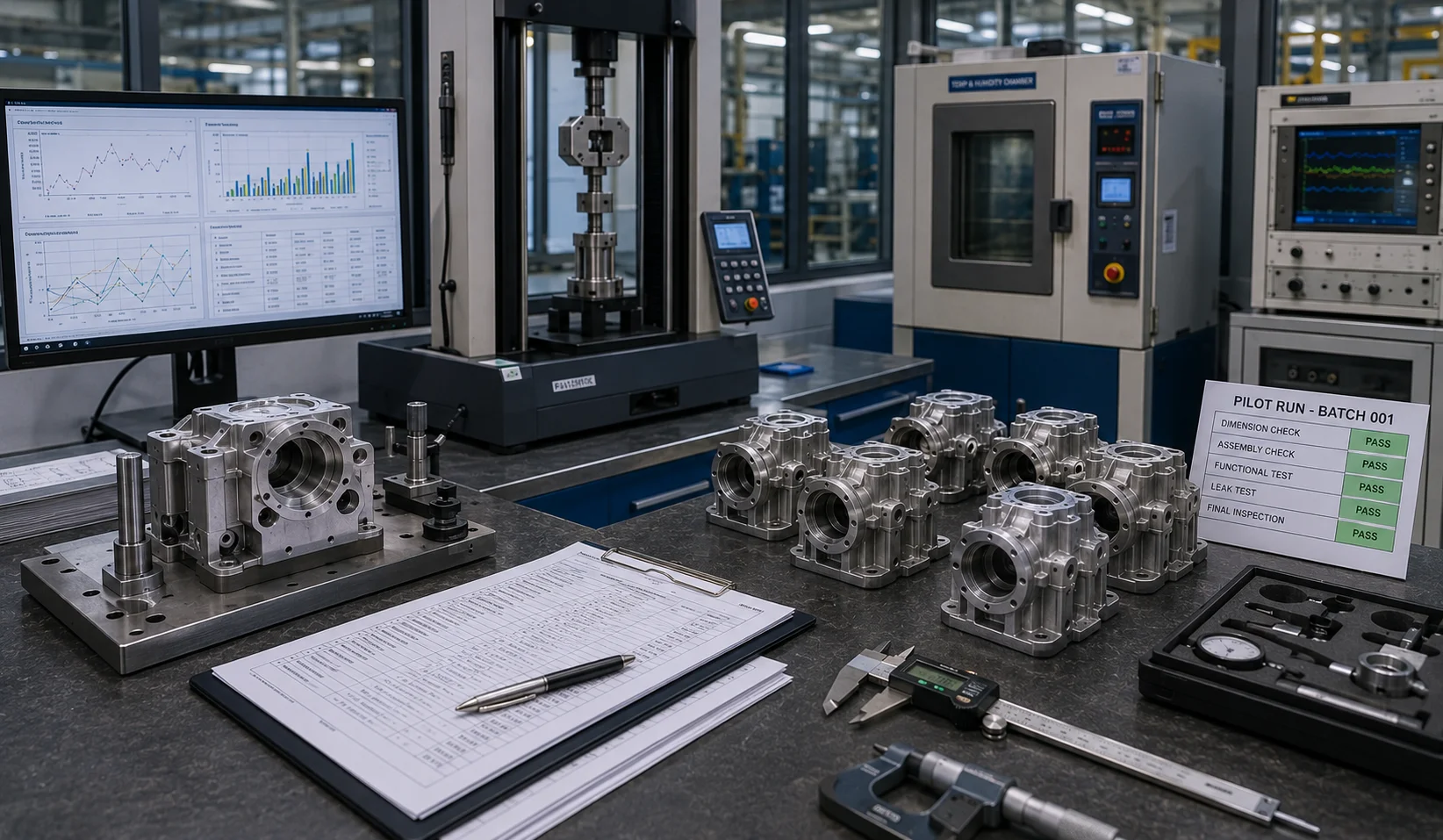
Before full-scale production, the product undergoes rigorous “torture tests”. Design Verification: Does the product meet the specs. Process Validation: Does the assembly line produce consistent quality. Pilot Run: A small batch produced on the actual production line to catch “bugs” in the workflow.  

Launch & Production

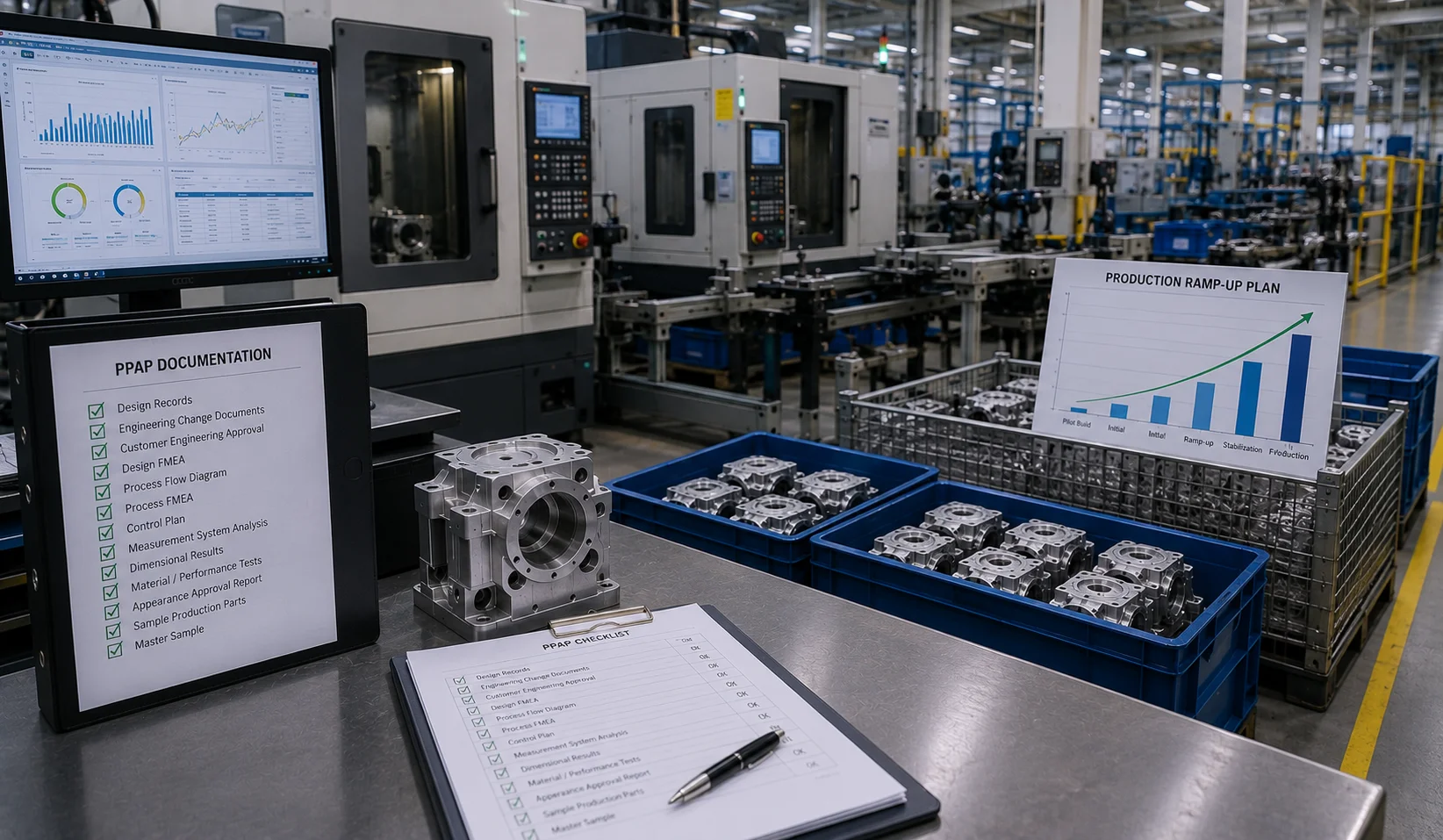
The product is released to the market. PPAP (Production Part Approval Process): A standard in industries like automotive to prove to the customer that the production process can reliably produce the part. Ramp-up: Gradually increasing production volume as the supply chain stabilizes.

Post-Launch Evaluation

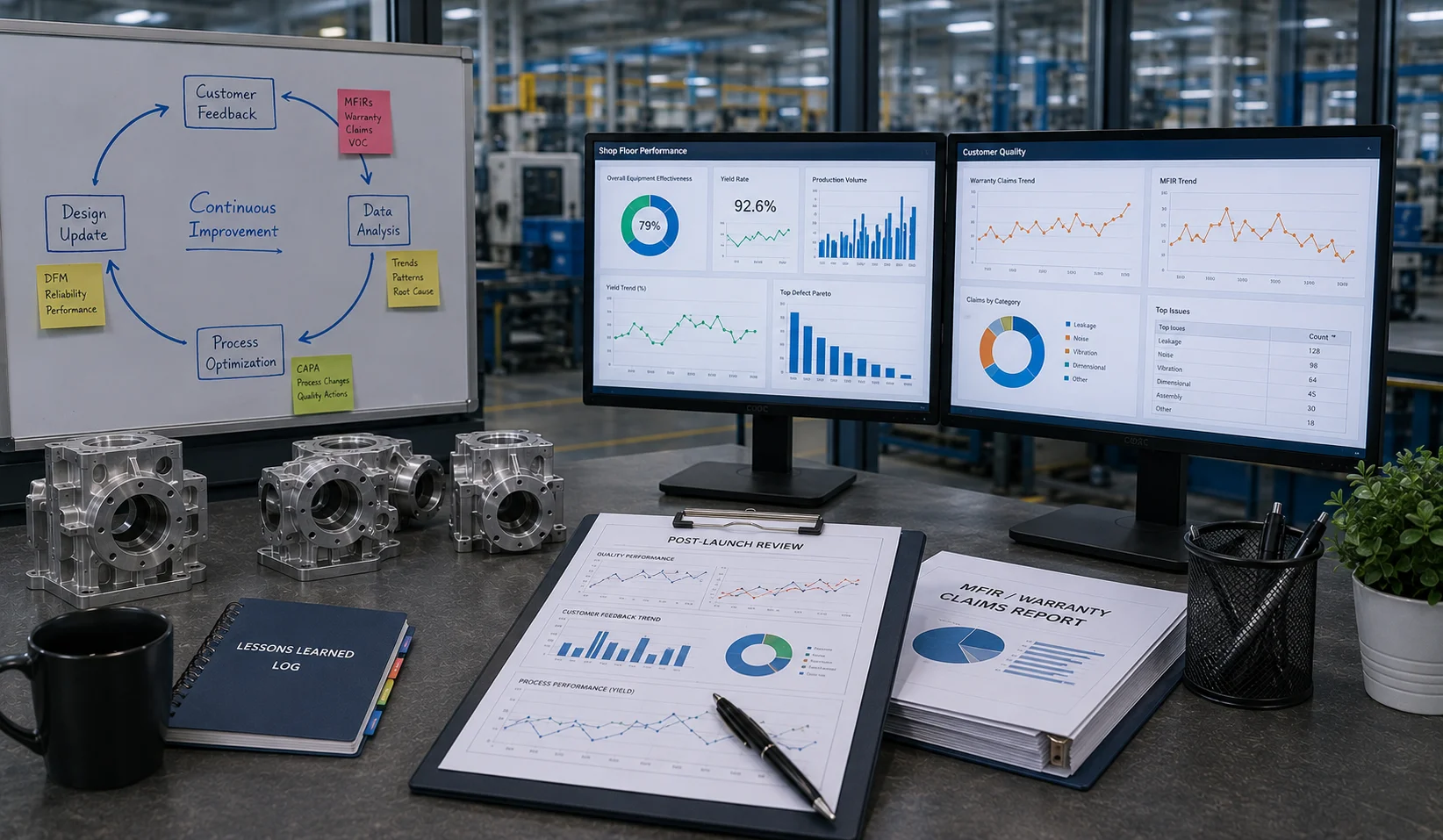
The “Feedback Loop.” Data from the shop floor (yield rates) and the customer (warranty claims/MFIRs) are analysed to improve the next iteration.

    Enter your contact details