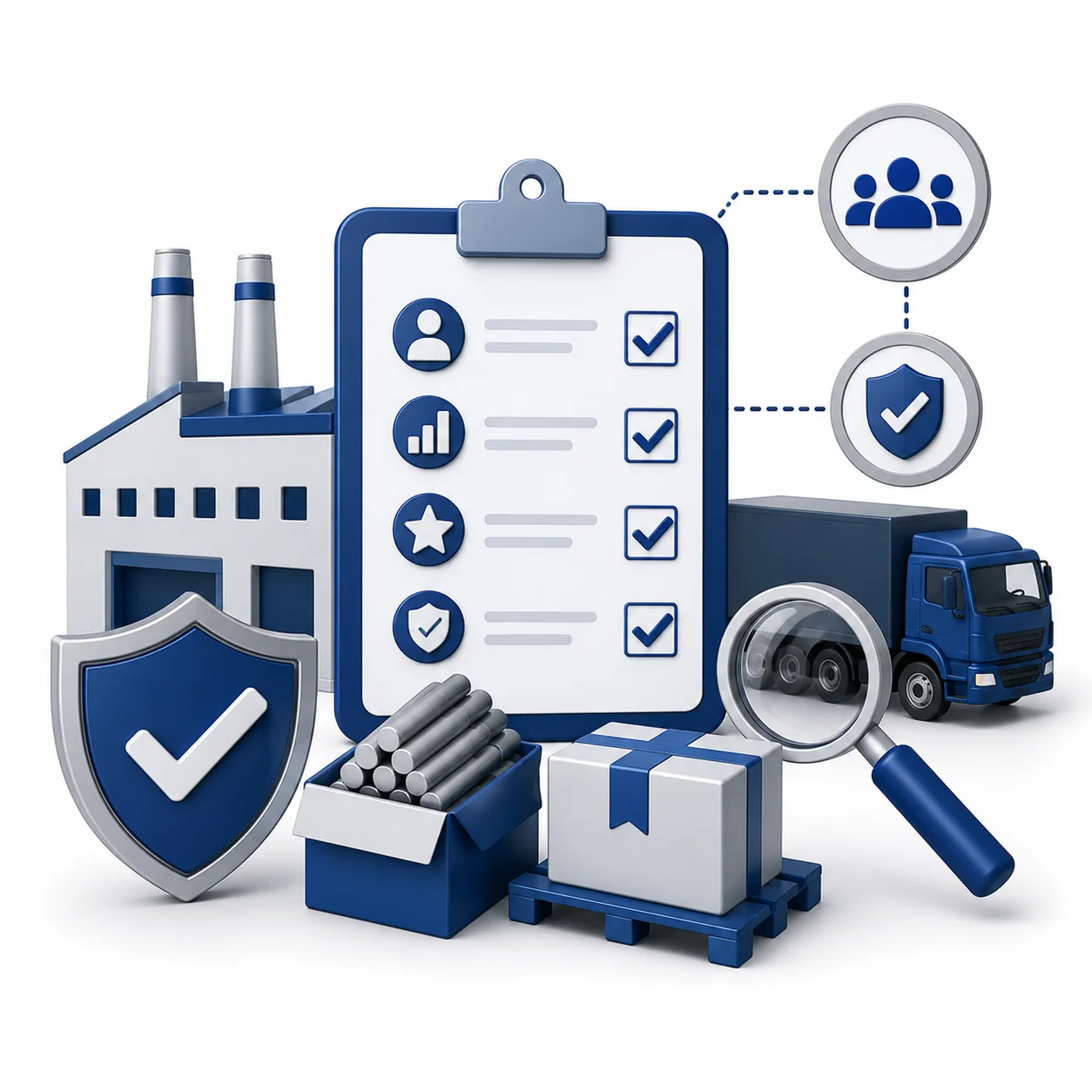
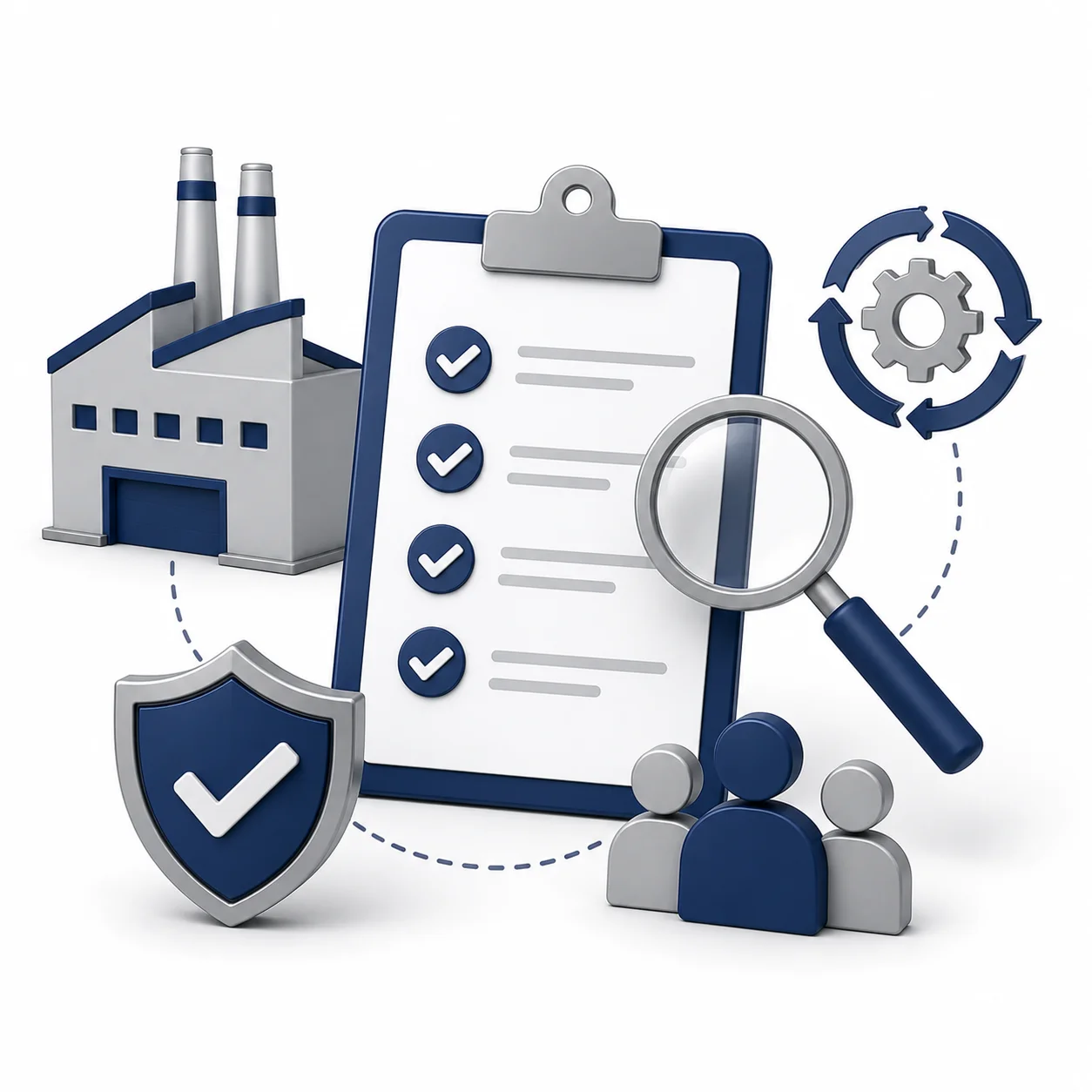
The Management Representative (MR) is the strategic anchor of a manufacturing facility’s Quality Management System (QMS). Historically mandated by international standards like ISO 9001, the MR is the designated leader responsible for ensuring that the factory’s production processes consistently align with global quality, safety, and regulatory benchmarks. Think of the MR as the ultimate bridge: they translate corporate quality goals into shop-floor procedures, and turn shop-floor performance data into executive-level insights.
A Quality Management System (QMS) is the formal framework of policies, processes, and procedures a manufacturer uses to ensure their products consistently meet customer requirements and regulatory standards. Creating document with revision number, revision date and format number.
Scheduling meeting, and booking meeting/conference room management.
Replace outdated paper registers with an automated, contactless visitor management module. Upon arrival, visitors simply scan a QR code placed at the factory gate and enter their details on their own mobile device. To ensure security, the check-in is authenticated using a validation PIN provided by their internal host. Authorized users can monitor real-time visitor data—including arrival timestamps, guest details, and the purpose of the visit—directly from the ERP dashboard.
A factory’s output is only as good as its incoming raw materials. A QMS tracks vendor performance metrics, governs incoming inspection protocols, and manages supplier audits to ensure bad materials never enter the production stream.
Internal and external audits act as regular health checks. They verify that the shop floor is actually following the written procedures, highlighting areas where the system is breaking down.
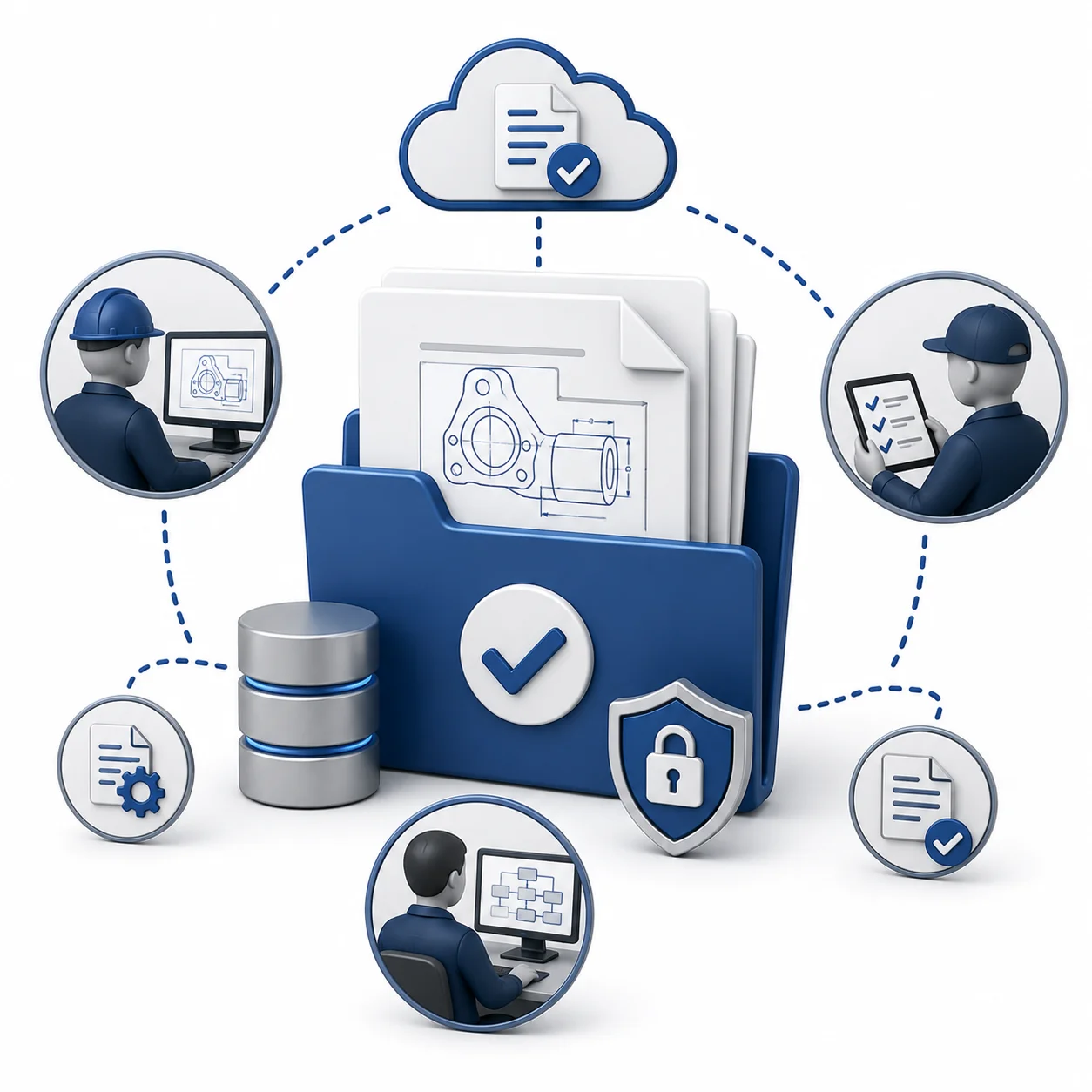
In a manufacturing environment, a Document Management System (DMS) is much more than a digital filing cabinet. It is the absolute “single source of truth” that ensures every engineer, machinist, and quality inspector is working from the exact same, most up-to-date version of a drawing, standard operating procedure (SOP), or control plan.
While a Document Management System (DMS) handles “living” files that can be edited, drafted, and revised, a Record Management System (RMS) is designed to manage “dead” or finalized files. A record is a document that has been signed, completed, or executed and now serves as permanent, unalterable evidence of a business activity, legal transaction, or compliance event.
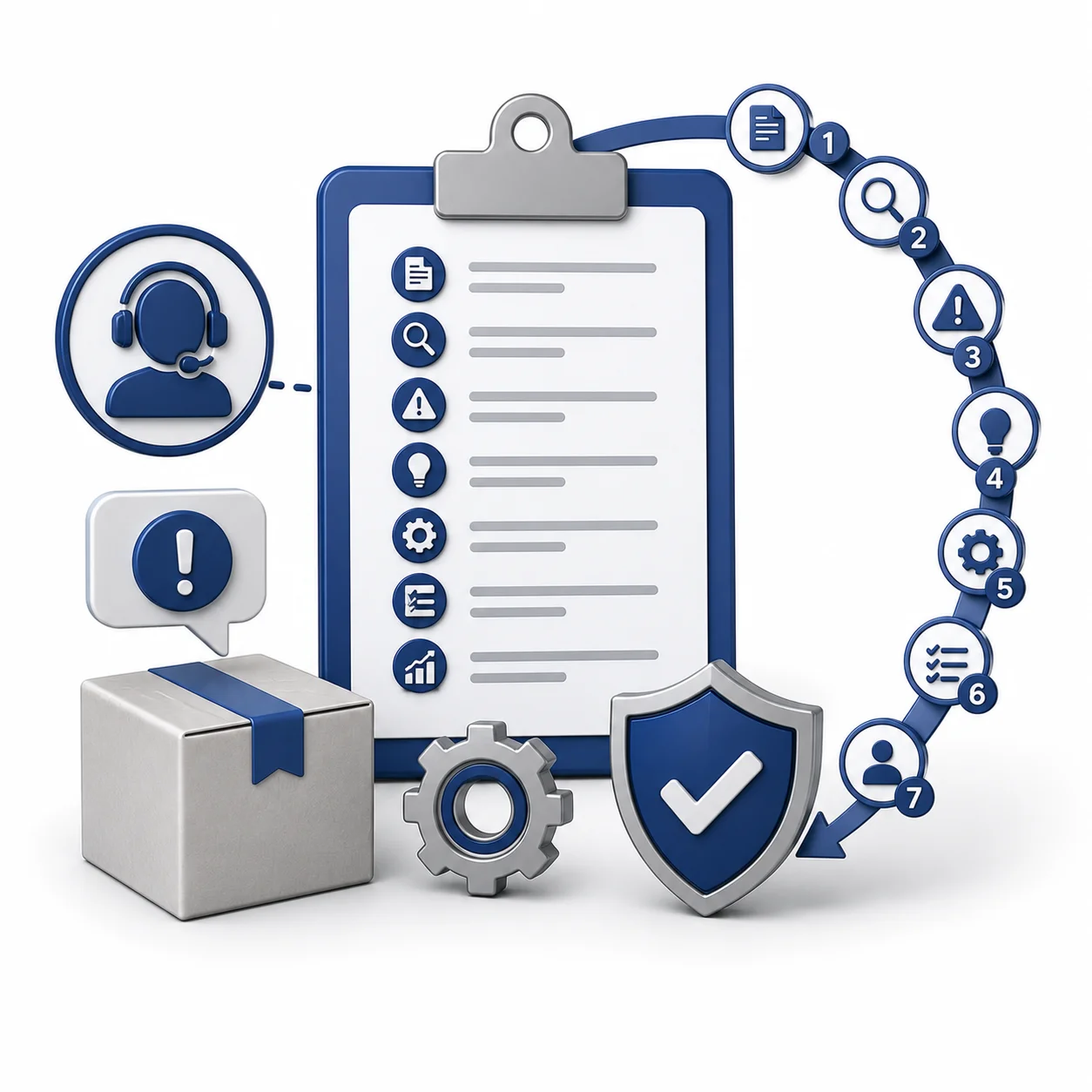
Upon receiving a customer complaint, log it directly into the ERP system to manage its resolution through the integrated 8D Roadmap framework. The module provides comprehensive data fields designed to capture every detail of the incident, ensuring full documentation from initial intake to final root-cause elimination.
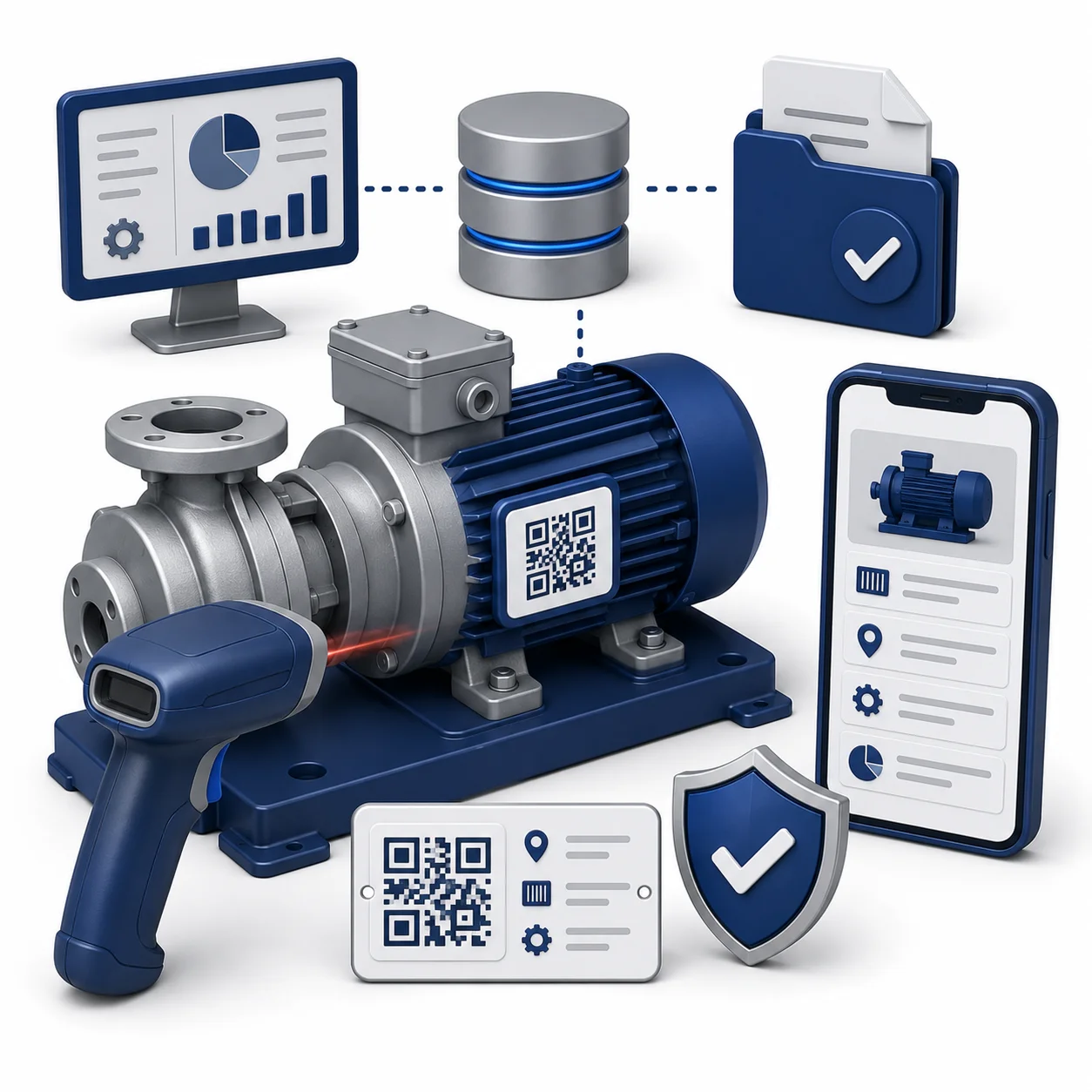
The ERP captures asset values, assigns unique serial numbers, and generates scannable QR tags for physical equipment tracking. Printed labels display the asset’s unique number, current location, and custom metadata, streamlining field audits and inventory verification.